Indian National Movement, Independence and Integrationभारतीय राष्ट्रीय आंदोलन, स्वतंत्रता और एकीकरण
General Knowledge · Visual study guide with full explanationsसामान्य ज्ञान · चित्रों और पूरे विवरण के साथ अध्ययन मार्गदर्शिका
GK Note No #025/123 • KF01 Indian History • T25/25जीके नोट क्रमांक #025/123 • KF01 भारतीय इतिहास • T25/25
Indian National Movement, Independence and Integrationभारतीय राष्ट्रीय आंदोलन, स्वतंत्रता और एकीकरण
A visual, beginner-to-advanced guide for SSC CGL, CHSL, UPSC, Banking, Railway and every exam that shares this history syllabus.SSC CGL, CHSL, UPSC, बैंकिंग, रेलवे और इस इतिहास पाठ्यक्रम को साझा करने वाली परीक्षाओं के लिए चित्रों सहित शून्य से उन्नत स्तर तक की मार्गदर्शिका।
1885 national platform → mass politics → constitutional change → 1947 freedom and Partition → princely-state integration → 1950 Republic1885 राष्ट्रीय मंच → जन राजनीति → संवैधानिक परिवर्तन → 1947 स्वतंत्रता और विभाजन → रियासतों का एकीकरण → 1950 गणराज्य
Six freedom circuitsस्वतंत्रता आंदोलन की छह धाराएँ
Six connected streams of the freedom movementस्वतंत्रता आंदोलन की छह जुड़ी धाराएँ
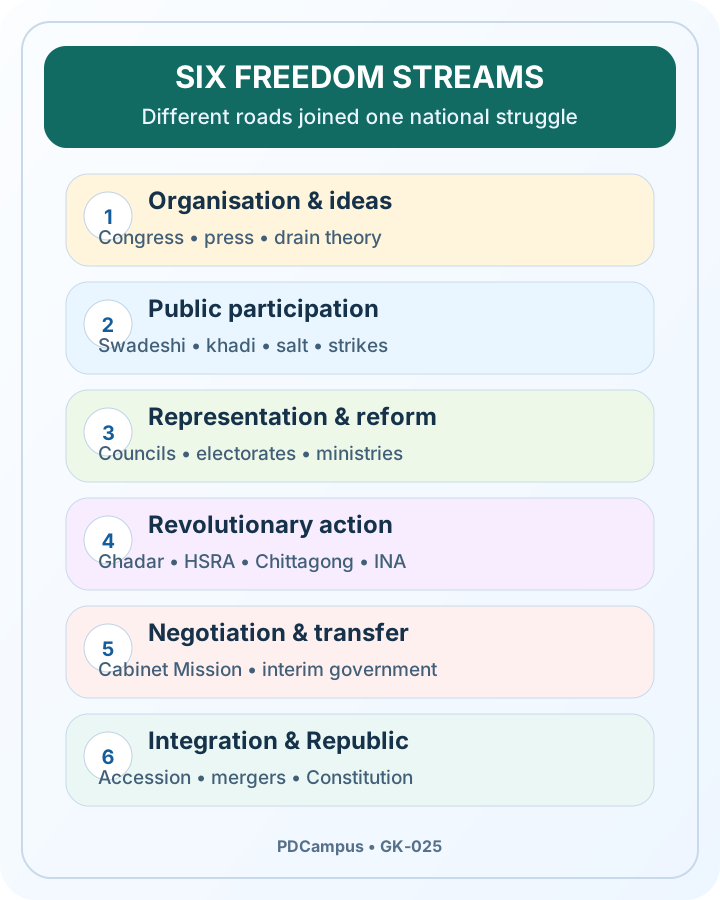
The national movement brought together several kinds of political work. They overlapped, and people moved between them. Participation and aims also differed across regions and communities.राष्ट्रीय आंदोलन में कई तरह के राजनीतिक कार्य जुड़े थे। इनके बीच समानताएँ थीं और लोग एक धारा से दूसरी धारा में भी जाते थे। विभिन्न क्षेत्रों और समुदायों में भागीदारी और उद्देश्य भी अलग-अलग थे।
| Circuitधारा | What to followक्या ध्यान रखें | Examplesउदाहरण |
|---|---|---|
| Organisation and ideasसंगठन और विचार | A national platform, economic criticism and political educationएक राष्ट्रीय मंच, आर्थिक आलोचना और राजनीतिक शिक्षा | Congress, newspapers, Naoroji's drain theoryकांग्रेस, समाचार पत्र, नौरोजी का धन निष्कासन सिद्धांत (drain theory) |
| Public participationजनभागीदारी | How everyday choices became political actionकैसे रोजमर्रा के विकल्प राजनीतिक कार्रवाई बन गए | Swadeshi, khadi, salt, strikes and local campaignsस्वदेशी, खादी, नमक, हड़तालें और स्थानीय अभियान |
| Representation and reformप्रतिनिधित्व और सुधार | Who could speak, vote and governकौन बोल सकता था, वोट दे सकता था और शासन कर सकता था | Councils, electorates, provincial ministries and social justice demandsपरिषदें, निर्वाचन मंडल, प्रांतीय मंत्रालय और सामाजिक न्याय की मांगें |
| Revolutionary and wartime actionक्रांतिकारी और युद्धकालीन कार्रवाई | Armed organisations and the pressures of warसशस्त्र संगठन और युद्ध के दबाव | Ghadar, HRA/HSRA, Chittagong, INA and naval unrestग़दर, HRA/HSRA, चटगाँव, INA और नौसैनिक विद्रोह |
| Negotiation and transferवार्ता और हस्तांतरण | Proposals, elections and competing constitutional claimsप्रस्ताव, चुनाव और प्रतिस्पर्धी संवैधानिक दावे | Cabinet Mission, interim government and Partition planकैबिनेट मिशन, अंतरिम सरकार और विभाजन योजना |
| Integration and constitution-makingएकीकरण और संविधान-निर्माण | How territories and institutions became a Union and a republicक्षेत्र और संस्थाएं कैसे एक संघ और गणराज्य बने | Accession, mergers, state unions and the Constitutionअधिमिलन, विलय, राज्य संघ और संविधान |
British withdrawal followed several pressures: sustained resistance, the effects of the Second World War, political negotiations, changing electoral mandates, military unrest, communal violence and British decisions. A single event cannot explain the whole transfer of power.ब्रिटिश वापसी कई दबावों का परिणाम थी: निरंतर प्रतिरोध, द्वितीय विश्व युद्ध के प्रभाव, राजनीतिक वार्ता, बदलते चुनावी जनादेश, सैन्य अशांति, सांप्रदायिक हिंसा और ब्रिटिश निर्णय। कोई एक घटना सत्ता के पूरे हस्तांतरण की व्याख्या नहीं कर सकती।
Eight terms to knowआठ ज़रूरी शब्द
| Termशब्द | Meaning in this chapterइस अध्याय में अर्थ |
|---|---|
| Moderateनरमपंथी (Moderate) | An early nationalist associated with constitutional methods such as petitions, councils, public meetings and economic criticism.प्रारंभिक राष्ट्रवादी जो संवैधानिक तरीकों जैसे कि याचिकाओं, परिषदों, सार्वजनिक बैठकों और आर्थिक आलोचना से जुड़े थे। |
| Swadeshi and boycottस्वदेशी और बहिष्कार | Swadeshi encouraged Indian goods and institutions; boycott withdrew support from selected foreign goods or colonial institutions.स्वदेशी ने भारतीय वस्तुओं और संस्थानों को प्रोत्साहित किया; बहिष्कार ने चयनित विदेशी वस्तुओं या औपनिवेशिक संस्थानों से समर्थन वापस ले लिया। |
| Satyagrahaसत्याग्रह | Gandhi's method of non-violent resistance, involving truth, self-discipline and a willingness to endure suffering.गांधी की अहिंसक प्रतिरोध की विधि, जिसमें सत्य, आत्मानुशासन और कष्ट सहने की इच्छा शामिल थी। |
| Swarajस्वराज | Self-rule. Its political meaning developed over time; Purna Swaraj meant complete independence.स्वशासन। समय के साथ इसका राजनीतिक अर्थ विकसित हुआ; पूर्ण स्वराज का अर्थ था पूर्ण स्वतंत्रता। |
| Dyarchyद्वैध शासन | Under the 1919 reforms, provincial subjects were divided into reserved and transferred groups, administered through different authorities.1919 के सुधारों के तहत, प्रांतीय विषयों को आरक्षित और हस्तांतरित समूहों में विभाजित किया गया था, जिन्हें अलग-अलग अधिकारियों के माध्यम से प्रशासित किया जाता था। |
| Dominionडोमिनियन | India became an independent Dominion in 1947, with the Crown as head of state. It became a republic in 1950.1947 में भारत एक स्वतंत्र डोमिनियन बन गया, जिसमें ब्रिटिश राजा राष्ट्रप्रमुख थे। 1950 में यह एक गणराज्य बन गया। |
| Paramountcyब्रिटिश सर्वोपरि सत्ता (Paramountcy) | The British Crown's superior authority in relations with princely states. It lapsed in 1947.रियासतों के साथ संबंधों में ब्रिटिश क्राउन का सर्वोच्च अधिकार। यह 1947 में समाप्त हो गया। |
| Accession and mergerअधिमिलन और विलय | Accession gave the Dominion authority over specified subjects. Merger or a state-union covenant changed the state's internal political and administrative arrangement.अधिमिलन ने डोमिनियन को निर्दिष्ट विषयों पर अधिकार दिया। विलय या रियासतों के संघ की प्रसंविदा (covenant) ने राज्य की आंतरिक राजनीतिक और प्रशासनिक व्यवस्था को बदल दिया। |
Follow the chronologyकालक्रम को समझें
Eight-date master chronology from Congress to the Republicकांग्रेस से गणराज्य तक आठ तिथियों का मुख्य कालक्रम
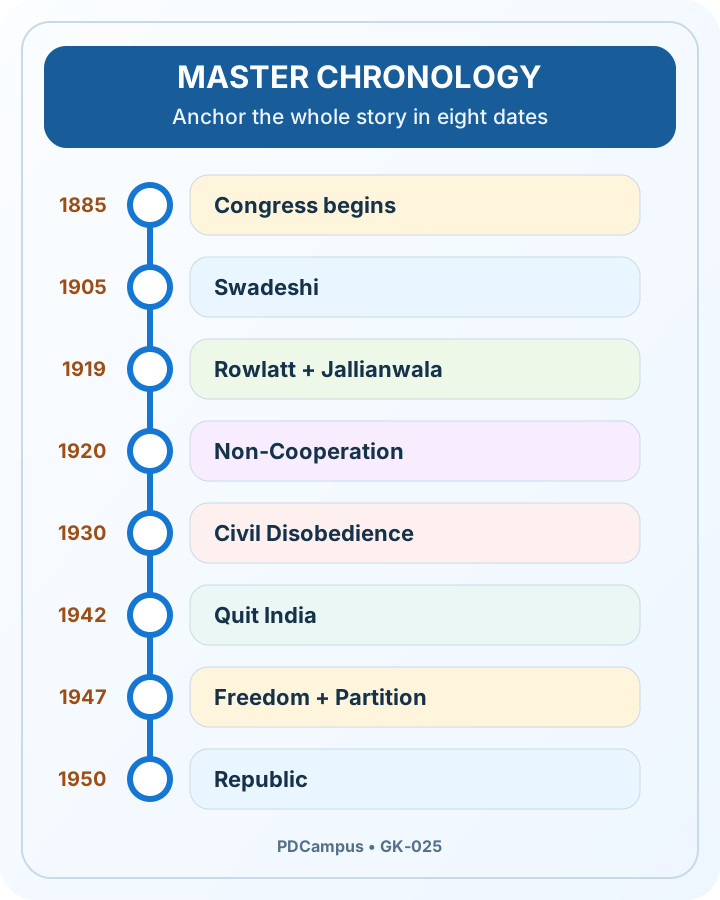
Use each event to answer three questions: what changed, which method was used, and what followed?तीन सवालों के जवाब देने के लिए प्रत्येक घटना का उपयोग करें: क्या बदला, किस तरीके का उपयोग किया गया, और इसके बाद क्या हुआ?
| Date or periodतिथि या अवधि | Event and consequenceघटना और परिणाम |
|---|---|
| 28–30 December 188528–30 दिसंबर 1885 | The first Indian National Congress session met in Bombay. W.C. Bonnerjee presided; 72 delegates attended. A.O. Hume helped organise it, alongside Indian political initiatives and earlier associations.भारतीय राष्ट्रीय कांग्रेस का पहला अधिवेशन बंबई में हुआ। डब्ल्यू.सी. बनर्जी ने इसकी अध्यक्षता की; 72 प्रतिनिधियों ने भाग लिया। ए.ओ. ह्यूम ने भारतीय राजनीतिक पहलों और पूर्व संघों के साथ इसे आयोजित करने में मदद की। |
| 1885–19051885–1905 | Early nationalists used the press, meetings, petitions and councils. Naoroji's drain theory connected Indian poverty with colonial transfers of wealth. Demands included representation, Indianisation of services and fairer public finance.प्रारंभिक राष्ट्रवादियों ने प्रेस, बैठकों, याचिकाओं और परिषदों का उपयोग किया। नौरोजी के धन निष्कासन सिद्धांत ने भारतीय गरीबी को धन के औपनिवेशिक हस्तांतरण से जोड़ा। मांगों में प्रतिनिधित्व, सेवाओं का भारतीयकरण और निष्पक्ष सार्वजनिक वित्त शामिल थे। |
| 7 August / 16 October 19057 अगस्त / 16 अक्टूबर 1905 | A boycott resolution was adopted in Calcutta on 7 August. Bengal's partition took effect on 16 October. Swadeshi brought together boycott, local production and national education.7 अगस्त को कलकत्ता में बहिष्कार का प्रस्ताव अपनाया गया। 16 अक्टूबर को बंगाल का विभाजन लागू हुआ। स्वदेशी ने बहिष्कार, स्थानीय उत्पादन और राष्ट्रीय शिक्षा को एक साथ ला दिया। |
| 1906–19071906–1907 | The Calcutta Congress linked swaraj with swadeshi, boycott and national education. The Muslim League was founded in 1906. The Congress split at Surat in 1907.कलकत्ता कांग्रेस ने स्वराज को स्वदेशी, बहिष्कार और राष्ट्रीय शिक्षा के साथ जोड़ा। मुस्लिम लीग की स्थापना 1906 में हुई थी। 1907 में सूरत में कांग्रेस का विभाजन हो गया। |
| 19161916 | Tilak's Home Rule League began in April and Annie Besant's in September. The Lucknow Congress brought a reunion of Congress factions and an agreement with the Muslim League.तिलक की होमरूल लीग अप्रैल में और एनी बेसेंट की सितंबर में शुरू हुई। लखनऊ कांग्रेस ने कांग्रेस के गुटों का पुनर्मिलन और मुस्लिम लीग के साथ समझौता कराया। |
| 1917–19181917–1918 | Gandhi worked with indigo cultivators in Champaran in 1917, and with Ahmedabad mill workers and Kheda peasants in 1918. These local struggles preceded his wider campaigns.गांधी ने 1917 में चंपारण में नील की खेती करने वालों के साथ, और 1918 में अहमदाबाद के मिल मजदूरों और खेड़ा के किसानों के साथ काम किया। ये स्थानीय संघर्ष उनके व्यापक अभियानों से पहले हुए थे। |
| 19191919 | Protest against the Rowlatt legislation spread. Troops fired on the gathering at Jallianwala Bagh in Amritsar on 13 April. The massacre deepened opposition to colonial rule.रॉलेट कानून के खिलाफ विरोध फैल गया। 13 अप्रैल को अमृतसर के जलियांवाला बाग में इकट्ठा हुए लोगों पर सैनिकों ने गोलियां चला दीं। इस नरसंहार ने औपनिवेशिक शासन के खिलाफ विरोध को और गहरा कर दिया। |
| 1920–19221920–1922 | Non-Cooperation and the Khilafat movement mobilised wider participation. After the violence at Chauri Chaura on 4 February 1922, Gandhi suspended Non-Cooperation.असहयोग आंदोलन और खिलाफत आंदोलन ने व्यापक भागीदारी जुटाई। 4 फरवरी 1922 को चौरी चौरा में हुई हिंसा के बाद, गांधी ने असहयोग आंदोलन को निलंबित कर दिया। |
| 19231923 | C.R. Das and Motilal Nehru founded the Swaraj Party to pursue council entry and oppose colonial policy from within legislatures.सी.आर. दास और मोतीलाल नेहरू ने परिषदों में प्रवेश करने और विधायिकाओं के भीतर से औपनिवेशिक नीति का विरोध करने के लिए स्वराज पार्टी की स्थापना की। |
| 1927–19281927–1928 | The Simon Commission was appointed in 1927 and arrived in India in 1928. Its all-British membership provoked boycott. The 1928 Nehru Report proposed Dominion status and a constitutional framework.साइमन कमीशन की नियुक्ति 1927 में हुई और 1928 में यह भारत आया। इसके सभी ब्रिटिश सदस्यों के होने से बहिष्कार को बढ़ावा मिला। 1928 की नेहरू रिपोर्ट ने डोमिनियन का दर्जा और एक संवैधानिक ढांचे का प्रस्ताव रखा। |
| December 1929 / 26 January 1930दिसंबर 1929 / 26 जनवरी 1930 | The Lahore Congress, presided over by Jawaharlal Nehru, adopted Purna Swaraj. An Independence Day pledge followed on 26 January 1930.जवाहरलाल नेहरू की अध्यक्षता में लाहौर कांग्रेस ने पूर्ण स्वराज को अपनाया। इसके बाद 26 जनवरी 1930 को स्वतंत्रता दिवस की प्रतिज्ञा ली गई। |
| 12 March / 6 April 193012 मार्च / 6 अप्रैल 1930 | Gandhi left Sabarmati on 12 March and broke the salt law at Dandi on 6 April. Civil Disobedience spread through several regional forms.गांधी ने 12 मार्च को साबरमती छोड़ा और 6 अप्रैल को दांडी में नमक कानून तोड़ा। सविनय अवज्ञा आंदोलन कई क्षेत्रीय रूपों में फैल गया। |
| 19311931 | The Gandhi–Irwin Pact of 5 March suspended Civil Disobedience. Gandhi attended the Second Round Table Conference. The Karachi Congress adopted a programme of fundamental rights and economic change.5 मार्च के गांधी-इरविन समझौते ने सविनय अवज्ञा आंदोलन को निलंबित कर दिया। गांधी ने दूसरे गोलमेज सम्मेलन में भाग लिया। कराची कांग्रेस ने मौलिक अधिकारों और आर्थिक परिवर्तन के कार्यक्रम को अपनाया। |
| 1932–19341932–1934 | Civil Disobedience resumed in 1932 and was withdrawn in 1934. The Poona Pact of 24 September 1932 provided reserved seats within joint electorates for the Depressed Classes.सविनय अवज्ञा आंदोलन 1932 में फिर से शुरू हुआ और 1934 में वापस ले लिया गया। 24 सितंबर 1932 के पूना समझौते ने दलित वर्गों के लिए संयुक्त निर्वाचन मंडल के भीतर आरक्षित सीटें प्रदान कीं। |
| 1935–19391935–1939 | The 1935 Act provided provincial autonomy. Elections and Congress ministries followed in 1937. Congress ministries resigned in 1939 after India was brought into the Second World War without consultation with Indian political leaders.1935 के अधिनियम ने प्रांतीय स्वायत्तता प्रदान की। 1937 में चुनाव हुए और कांग्रेस के मंत्रालय बने। भारतीय राजनीतिक नेताओं से परामर्श किए बिना भारत को द्वितीय विश्व युद्ध में धकेलने के बाद 1939 में कांग्रेस के मंत्रालयों ने इस्तीफा दे दिया। |
| 1940–19411940–1941 | The Muslim League's Lahore Resolution advanced a demand for separate political arrangements. The August Offer and Individual Satyagraha belonged to the wartime constitutional conflict.मुस्लिम लीग के लाहौर प्रस्ताव ने अलग राजनीतिक व्यवस्था की मांग को आगे बढ़ाया। अगस्त प्रस्ताव और व्यक्तिगत सत्याग्रह युद्धकालीन संवैधानिक संघर्ष का हिस्सा थे। |
| 19421942 | The Cripps proposals failed. The AICC adopted the Quit India resolution in Bombay on 8 August; arrests began on 9 August. The first INA was formed under Mohan Singh in Southeast Asia.क्रिप्स प्रस्ताव विफल रहे। AICC ने 8 अगस्त को बंबई में भारत छोड़ो प्रस्ताव अपनाया; 9 अगस्त को गिरफ्तारियां शुरू हुईं। दक्षिण पूर्व एशिया में मोहन सिंह के नेतृत्व में पहली INA का गठन किया गया था। |
| 1943–19451943–1945 | Subhas Chandra Bose reorganised the INA and proclaimed the Provisional Government of Azad Hind on 21 October 1943. INA trials in late 1945 drew wide public attention.सुभाष चंद्र बोस ने INA का पुनर्गठन किया और 21 अक्टूबर 1943 को आज़ाद हिंद की अनंतिम सरकार की घोषणा की। 1945 के अंत में INA के मुकदमों ने जनता का व्यापक ध्यान आकर्षित किया। |
| 19461946 | Naval ratings' unrest began at HMIS Talwar on 18 February. The Cabinet Mission proposed a constitutional settlement. An interim government took office on 2 September; the Constituent Assembly first met on 9 December.18 फरवरी को HMIS तलवार में नौसैनिक विद्रोह शुरू हुआ। कैबिनेट मिशन ने संवैधानिक समझौते का प्रस्ताव रखा। 2 सितंबर को एक अंतरिम सरकार ने कार्यभार संभाला; संविधान सभा की पहली बैठक 9 दिसंबर को हुई। |
| 19471947 | The sequence ran from Attlee's deadline announcement to the 3 June Plan, the Independence Act, independence and Partition. The Radcliffe boundary awards were announced on 17 August.घटनाक्रम एटली की समय सीमा की घोषणा से लेकर 3 जून की योजना, स्वतंत्रता अधिनियम, स्वतंत्रता और विभाजन तक चला। रैडक्लिफ सीमा पंचाट (boundary awards) की घोषणा 17 अगस्त को की गई थी। |
| 1947–19491947–1949 | Princely-state accession, administrative mergers and state unions proceeded through different arrangements. Junagadh, Jammu and Kashmir, and Hyderabad followed distinct paths.रियासतों का अधिमिलन, प्रशासनिक विलय और राज्य संघों का निर्माण अलग-अलग व्यवस्थाओं के माध्यम से आगे बढ़ा। जूनागढ़, जम्मू और कश्मीर, और हैदराबाद ने अलग-अलग रास्ते अपनाए। |
| 1949–19501949–1950 | The Constitution was adopted on 26 November 1949, signed on 24 January 1950, and largely commenced on 26 January 1950, when India became a republic.संविधान को 26 नवंबर 1949 को अपनाया गया, 24 जनवरी 1950 को इस पर हस्ताक्षर किए गए, और 26 जनवरी 1950 को इसके अधिकांश प्रावधान लागू हुए, जब भारत एक गणराज्य बना। |
Compare the movementsआंदोलनों की तुलना करें
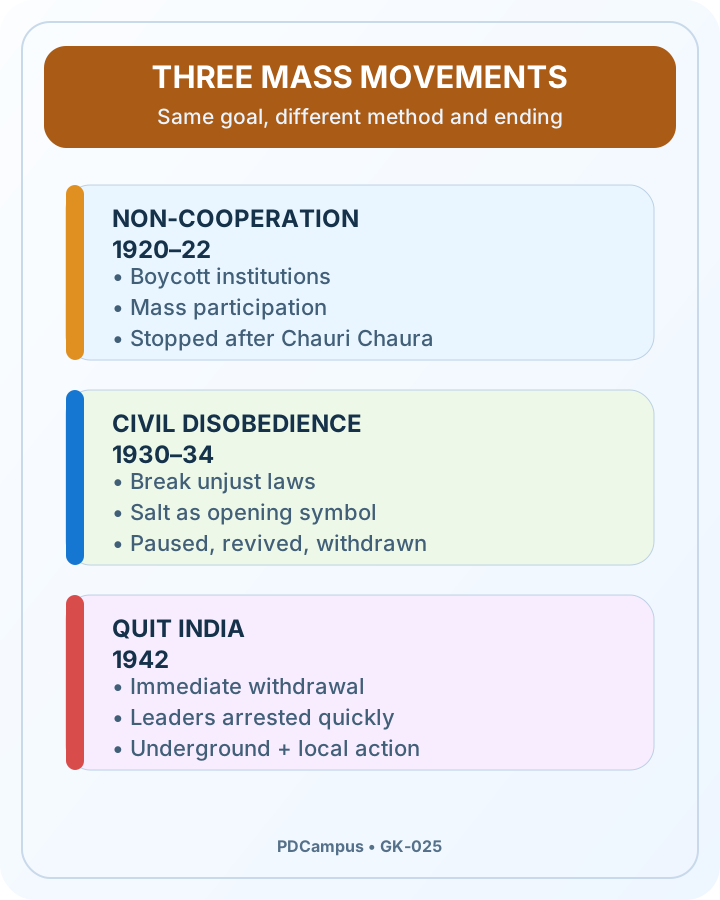
Comparison of Non-Cooperation, Civil Disobedience and Quit Indiaअसहयोग, सविनय अवज्ञा और भारत छोड़ो आंदोलन की तुलना
| Movementआंदोलन | Immediate setting and methodतात्कालिक पृष्ठभूमि और तरीके | Outcome and distinctionपरिणाम और विशिष्टता |
|---|---|---|
| Swadeshi, 1905–1908स्वदेशी, 1905–1908 | Opposition to Bengal's partition; boycott, Indian production, national education, public meetings and local associations.बंगाल विभाजन का विरोध; बहिष्कार, भारतीय उत्पादन, राष्ट्रीय शिक्षा, सार्वजनिक बैठकें और स्थानीय संघ। | Bengal was a major centre. Its ideas and practices spread, with uneven participation across places and groups.बंगाल एक प्रमुख केंद्र था। इसके विचार और प्रथाएं फैलीं, जिसमें विभिन्न स्थानों और समूहों में असमान भागीदारी रही। |
| Home Rule, 1916–1918होमरूल, 1916–1918 | Tilak and Besant organised separate league networks for self-government through meetings, lectures and publications.तिलक और बेसेंट ने बैठकों, व्याख्यानों और प्रकाशनों के माध्यम से स्वशासन के लिए अलग-अलग लीग नेटवर्क आयोजित किए। | Helped revive organised politics. The two leagues were not a single organisation.संगठित राजनीति को पुनर्जीवित करने में मदद की। दोनों लीग एक ही संगठन नहीं थे। |
| Non-Cooperation, 1920–1922असहयोग आंदोलन, 1920–1922 | Punjab grievances, the Rowlatt experience and Khilafat concerns; surrender of titles and boycott of schools, courts, councils and foreign cloth.पंजाब की शिकायतें, रॉलेट अनुभव और खिलाफत की चिंताएं; उपाधियों का त्याग और स्कूलों, अदालतों, परिषदों और विदेशी कपड़ों का बहिष्कार। | Built wider political participation. Gandhi suspended the campaign after Chauri Chaura; local grievances and methods had often differed from the national programme.व्यापक राजनीतिक भागीदारी का निर्माण किया। चौरी चौरा के बाद गांधी ने अभियान को निलंबित कर दिया; स्थानीय शिकायतें और तरीके अक्सर राष्ट्रीय कार्यक्रम से भिन्न थे। |
| Civil Disobedience, 1930–1934सविनय अवज्ञा आंदोलन, 1930–1934 | Purna Swaraj and the salt campaign; deliberate breaches of colonial laws, salt making, picketing and regional tax or forest protests.पूर्ण स्वराज और नमक अभियान; औपनिवेशिक कानूनों का जानबूझकर उल्लंघन, नमक बनाना, धरना और क्षेत्रीय कर या वन विरोध। | Suspended in 1931, revived in 1932, withdrawn in 1934. Dandi was one opening action within a much larger movement.1931 में निलंबित, 1932 में पुनर्जीवित, 1934 में वापस लिया गया। दांडी एक बहुत बड़े आंदोलन के भीतर एक प्रारंभिक कार्रवाई थी। |
| Individual Satyagraha, 1940–1941व्यक्तिगत सत्याग्रह, 1940–1941 | Selected people protested restrictions on expressing opposition to India's involvement in the war. Vinoba Bhave was the first satyagrahi; Nehru was the second.चयनित लोगों ने युद्ध में भारत की भागीदारी के प्रति विरोध व्यक्त करने पर लगे प्रतिबंधों का विरोध किया। विनोबा भावे पहले सत्याग्रही थे; नेहरू दूसरे थे। | A limited campaign, distinct from the mass uprising of 1942.एक सीमित अभियान, 1942 के जन विद्रोह से अलग। |
| Quit India, 1942भारत छोड़ो, 1942 | Failure of Cripps negotiations and wartime crisis; Gandhi's call for immediate British withdrawal.क्रिप्स वार्ता की विफलता और युद्धकालीन संकट; गांधी का तत्काल ब्रिटिश वापसी का आह्वान। | Arrests disrupted central leadership. Underground networks, radio, demonstrations and local parallel governments carried action forward.गिरफ्तारियों ने केंद्रीय नेतृत्व को बाधित कर दिया। भूमिगत नेटवर्क, रेडियो, प्रदर्शन और स्थानीय समानांतर सरकारों ने कार्रवाई को आगे बढ़ाया। |
Regional anchors: Champaran, Ahmedabad and Kheda identify different local problems. Dandi marks the salt march; it does not mark every Civil Disobedience centre. Ballia, Tamralipta and Satara are associated with parallel governments during the Quit India period, with different origins and durations. Aruna Asaf Ali, Usha Mehta, Jayaprakash Narayan and Ram Manohar Lohia belong in the account of public and underground resistance.प्रमुख क्षेत्रीय उदाहरण: चंपारण, अहमदाबाद और खेड़ा विभिन्न स्थानीय समस्याओं की पहचान करते हैं। दांडी नमक मार्च को चिह्नित करता है; यह प्रत्येक सविनय अवज्ञा आंदोलन के केंद्र को चिह्नित नहीं करता है। बलिया, ताम्रलिप्त और सतारा भारत छोड़ो अवधि के दौरान समानांतर सरकारों से जुड़े हैं, जिनकी उत्पत्ति और अवधि अलग-अलग थी। अरुणा आसफ अली, उषा मेहता, जयप्रकाश नारायण और राम मनोहर लोहिया सार्वजनिक और भूमिगत प्रतिरोध के विवरण में शामिल हैं।
Congress decisions and political streamsकांग्रेस के निर्णय और राजनीतिक धाराएँ
| Meetingबैठक | Presidentअध्यक्ष | Revision anchorयाद रखने की बात |
|---|---|---|
| Bombay, 1885बंबई, 1885 | W.C. Bonnerjeeडब्ल्यू.सी. बनर्जी | First Congress sessionकांग्रेस का पहला अधिवेशन |
| Calcutta, 1906कलकत्ता, 1906 | Dadabhai Naorojiदादाभाई नौरोजी | Swaraj, swadeshi, boycott, national educationस्वराज, स्वदेशी, बहिष्कार, राष्ट्रीय शिक्षा |
| Surat, 1907सूरत, 1907 | Rash Behari Ghosh, elected presidentरासबिहारी घोष, निर्वाचित अध्यक्ष | Session disrupted; Congress splitअधिवेशन बाधित; कांग्रेस का विभाजन |
| Lucknow, 1916लखनऊ, 1916 | Ambica Charan Mazumdarअंबिका चरण मजूमदार | Congress reunion and Congress–League Pactकांग्रेस का पुनर्मिलन और कांग्रेस-लीग समझौता |
| Calcutta special session, September 1920कलकत्ता विशेष अधिवेशन, सितंबर 1920 | Lala Lajpat Raiलाला लाजपत राय | Non-Cooperation programme approvedअसहयोग कार्यक्रम स्वीकृत |
| Nagpur, December 1920नागपुर, दिसंबर 1920 | C. Vijayaraghavachariarसी. विजयराघवाचार्यर | Programme reaffirmed; Congress organisation broadenedकार्यक्रम की पुष्टि; कांग्रेस संगठन का विस्तार |
| Belgaum, 1924बेलगाम, 1924 | M.K. Gandhiएम.के. गांधी | The Congress session presided over by Gandhiगांधी की अध्यक्षता वाला कांग्रेस अधिवेशन |
| Lahore, 1929लाहौर, 1929 | Jawaharlal Nehruजवाहरलाल नेहरू | Purna Swarajपूर्ण स्वराज |
| Karachi, 1931कराची, 1931 | Vallabhbhai Patelवल्लभभाई पटेल | Fundamental rights and economic programmeमौलिक अधिकार और आर्थिक कार्यक्रम |
| Haripura, 1938हरिपुरा, 1938 | Subhas Chandra Boseसुभाष चंद्र बोस | Planning and economic reconstructionयोजना और आर्थिक पुनर्निर्माण |
| Tripuri, 1939त्रिपुरी, 1939 | Subhas Chandra Boseसुभाष चंद्र बोस | Re-elected president; conflict with the Congress leadership followedअध्यक्ष के रूप में फिर से चुने गए; इसके बाद कांग्रेस नेतृत्व के साथ टकराव हुआ |
The Bombay Quit India decision of 8 August 1942 was taken at an AICC meeting. Keep it separate from this annual and special session register.8 अगस्त 1942 का बंबई भारत छोड़ो का निर्णय AICC (अखिल भारतीय कांग्रेस कमेटी) की बैठक में लिया गया था। इसे इस वार्षिक और विशेष अधिवेशन रजिस्टर से अलग रखें।
The Karachi programme connected freedom with civil liberties, equality, religious freedom, adult franchise, education and workers' interests. It gives substance to the question of what political freedom was expected to achieve.कराची कार्यक्रम ने स्वतंत्रता को नागरिक स्वतंत्रता, समानता, धार्मिक स्वतंत्रता, वयस्क मताधिकार, शिक्षा और श्रमिकों के हितों के साथ जोड़ा। यह इस सवाल को ठोस आधार देता है कि राजनीतिक स्वतंत्रता से क्या हासिल होने की उम्मीद थी।
Congress included competing methods and social visions. Swarajists favoured council work; socialists pressed questions of workers, peasants and economic change. Communist and trade-union activity developed alongside other nationalist streams. Ambedkar made representation, the abolition of caste disabilities and political safeguards central issues. The Muslim League's constitutional claims changed over time, from negotiated representation to the demand associated with Pakistan. Princely-state popular movements also challenged their rulers. These strands cannot be reduced to a single party's programme.कांग्रेस में प्रतिस्पर्धी तरीके और सामाजिक दृष्टिकोण शामिल थे। स्वराजवादियों ने परिषद के काम का पक्ष लिया; समाजवादियों ने श्रमिकों, किसानों और आर्थिक परिवर्तन के सवालों पर जोर दिया। कम्युनिस्ट और ट्रेड-यूनियन गतिविधियाँ अन्य राष्ट्रवादी धाराओं के साथ-साथ विकसित हुईं। अम्बेडकर ने प्रतिनिधित्व, जाति आधारित वंचनाओं को दूर करने और राजनीतिक सुरक्षा उपायों को केंद्रीय मुद्दा बनाया। मुस्लिम लीग के संवैधानिक दावे समय के साथ बदलते रहे, बातचीत से प्राप्त प्रतिनिधित्व से लेकर पाकिस्तान से जुड़ी मांग तक। रियासतों के जनांदोलनों ने भी अपने शासकों को चुनौती दी। इन धाराओं को किसी एक पार्टी के कार्यक्रम तक सीमित नहीं किया जा सकता है।
Revolutionary and wartime actionक्रांतिकारी और युद्धकालीन कार्रवाई
| Network or episodeनेटवर्क या घटना | People and contributionलोग और योगदान | Keep the distinctionअंतर ध्यान में रखें |
|---|---|---|
| Early revolutionary networksप्रारंभिक क्रांतिकारी नेटवर्क | The Chapekar brothers in Pune; Anushilan and Jugantar circles in Bengal; Khudiram Bose and Prafulla Chaki in the 1908 Muzaffarpur episode.पुणे में चापेकर बंधु; बंगाल में अनुशीलन और युगांतर मंडली; 1908 की मुजफ्फरपुर घटना में खुदीराम बोस और प्रफुल्ल चाकी। | Several organisations and local histories, rather than one continuous command.एक सतत कमान के बजाय कई संगठन और स्थानीय इतिहास। |
| India House and Ghadarइंडिया हाउस और ग़दर | Shyamji Krishna Varma founded India House in London in 1905. Ghadar emerged in North America in 1913; associated figures included Sohan Singh Bhakna, Har Dayal and Kartar Singh Sarabha.श्यामजी कृष्ण वर्मा ने 1905 में लंदन में इंडिया हाउस की स्थापना की। ग़दर 1913 में उत्तरी अमेरिका में उभरा; इससे जुड़े लोगों में सोहन सिंह भकना, हरदयाल और करतार सिंह सराभा शामिल थे। | India House and Ghadar were different networks. Ghadar's formation in 1913 and its failed wartime revolt plans in 1915 were different events.इंडिया हाउस और ग़दर अलग-अलग नेटवर्क थे। 1913 में ग़दर का गठन और 1915 में युद्धकालीन विद्रोह की इसकी विफल योजनाएँ अलग-अलग घटनाएँ थीं। |
| HRA and Kakori, 1925HRA और काकोरी, 1925 | The Hindustan Republican Association organised the Kakori action on 9 August 1925. Ram Prasad Bismil, Ashfaqulla Khan and Rajendra Lahiri were associated with the action and case.हिंदुस्तान रिपब्लिकन एसोसिएशन ने 9 अगस्त 1925 को काकोरी कांड (कार्रवाई) का आयोजन किया। राम प्रसाद बिस्मिल, अशफाकउल्ला खान और राजेंद्र लाहिड़ी इस कार्रवाई और मामले से जुड़े थे। | Roshan Singh was executed in the Kakori case; this does not make him a participant in the train action.रोशन सिंह को काकोरी मामले में फाँसी दी गई थी; यह उन्हें ट्रेन की कार्रवाई में भागीदार नहीं बनाता है। |
| HSRA, 1928–1931HSRA, 1928–1931 | The organisation was reorganised as the Hindustan Socialist Republican Association in 1928. Bhagat Singh and B.K. Dutt threw bombs in the Central Legislative Assembly on 8 April 1929.संगठन को 1928 में हिंदुस्तान सोशलिस्ट रिपब्लिकन एसोसिएशन के रूप में पुनर्गठित किया गया था। भगत सिंह और बी.के. दत्त ने 8 अप्रैल 1929 को केंद्रीय विधान सभा में बम फेंके। | The Assembly action and the Saunders killing were separate cases. Bhagat Singh, Sukhdev and Rajguru were executed on 23 March 1931.असेंबली की कार्रवाई और सांडर्स की हत्या अलग-अलग मामले थे। भगत सिंह, सुखदेव और राजगुरु को 23 मार्च 1931 को फाँसी दी गई। |
| Chittagong, 1930 onwardचटगाँव, 1930 से आगे | Surya Sen led the armoury raid of 18 April 1930. Ganesh Ghosh and Lokenath Bal led key groups. Pritilata Waddedar and Kalpana Dutt belonged to the wider revolutionary movement in Chittagong.सूर्य सेन ने 18 अप्रैल 1930 के शस्त्रागार छापे का नेतृत्व किया। गणेश घोष और लोकनाथ बल ने प्रमुख समूहों का नेतृत्व किया। प्रीतिलता वाडेदार और कल्पना दत्त चटगाँव में व्यापक क्रांतिकारी आंदोलन से जुड़ी थीं। | Do not list every later participant in the movement as a participant in the 18 April raid.आंदोलन के हर बाद के भागीदार को 18 अप्रैल के छापे में भागीदार के रूप में सूचीबद्ध न करें। |
| INA and Azad HindINA और आज़ाद हिंद | Mohan Singh led the first INA in 1942. Rash Behari Bose supported the wider Independence League organisation. Subhas Chandra Bose reorganised the INA in 1943. Lakshmi Swaminathan led the Rani of Jhansi Regiment.मोहन सिंह ने 1942 में पहली INA का नेतृत्व किया। रासबिहारी बोस ने व्यापक इंडिपेंडेंस लीग संगठन का समर्थन किया। सुभाष चंद्र बोस ने 1943 में INA का पुनर्गठन किया। लक्ष्मी स्वामीनाथन ने रानी झाँसी रेजिमेंट का नेतृत्व किया। | The INA's military campaign and the political response to its trials are different parts of its history.INA का सैन्य अभियान और इसके मुकदमों पर राजनीतिक प्रतिक्रिया इसके इतिहास के अलग-अलग हिस्से हैं। |
| Postwar trials and naval unrestयुद्धोत्तर मुकदमे और नौसैनिक विद्रोह | The first major Red Fort INA trial involved Shah Nawaz Khan, Prem Kumar Sahgal and Gurbaksh Singh Dhillon. Naval ratings' unrest began in February 1946 amid grievances over conditions and discrimination.लाल किले में पहले प्रमुख INA मुकदमे में शाहनवाज खान, प्रेम कुमार सहगल और गुरबख्श सिंह ढिल्लों शामिल थे। परिस्थितियों और भेदभाव को लेकर शिकायतों के बीच फरवरी 1946 में नौसेना के रेटिंग्स (नाविकों) का विद्रोह शुरू हुआ। | HMIS Talwar was a shore signal-training establishment. The unrest was neither an INA operation nor an event aboard a battleship of that name.HMIS तलवार एक तट पर स्थित सिग्नल प्रशिक्षण केंद्र था। यह अशांति (विद्रोह) न तो कोई INA का ऑपरेशन था और न ही उस नाम के युद्धपोत पर हुई कोई घटना। |
Constitutional ladderसंवैधानिक सीढ़ी
Constitutional ladder from 1909 reforms to the Republic1909 के सुधारों से गणराज्य तक संवैधानिक सीढ़ी
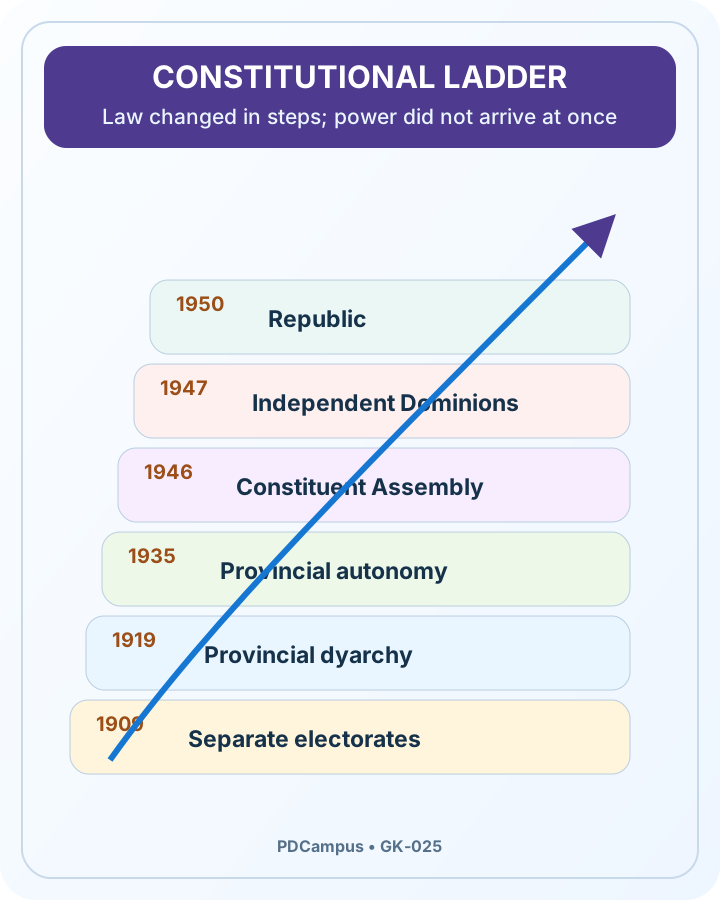
An Act is a law. A mission, offer or political agreement belongs in a separate sequence.अधिनियम एक कानून है। एक मिशन, प्रस्ताव या राजनीतिक समझौता एक अलग अनुक्रम से संबंधित होता है।
| Actअधिनियम | Main changeमुख्य परिवर्तन | Limitसीमा |
|---|---|---|
| Indian Councils Act, 1892भारतीय परिषद अधिनियम, 1892 | Larger councils; questions and discussion of the budget.बड़ी परिषदें; प्रश्न पूछना और बजट पर चर्चा। | Members could not vote on the budget. Executive control remained.सदस्य बजट पर मतदान नहीं कर सकते थे। कार्यकारी नियंत्रण बना रहा। |
| Indian Councils Act, 1909भारतीय परिषद अधिनियम, 1909 | Expanded legislative participation; the reform arrangements introduced separate Muslim electorates.विधायी भागीदारी का विस्तार; सुधार व्यवस्थाओं ने पृथक मुस्लिम निर्वाचन मंडल की शुरुआत की। | No responsible government. The separate-electorate rules belong to the wider reform scheme, not a simple quotation from the Act alone.कोई उत्तरदायी सरकार नहीं। पृथक निर्वाचन मंडल के नियम व्यापक सुधार योजना का हिस्सा हैं, न कि केवल अधिनियम का एक सरल उद्धरण। |
| Government of India Act, 1919भारत सरकार अधिनियम, 1919 | Provincial dyarchy; a bicameral central legislature.प्रांतीय द्वैध शासन; एक द्विसदनीय केंद्रीय विधायिका। | Reserved provincial subjects and central administration remained under strong executive control.आरक्षित प्रांतीय विषय और केंद्रीय प्रशासन मजबूत कार्यकारी नियंत्रण के अधीन रहे। |
| Government of India Act, 1935भारत सरकार अधिनियम, 1935 | Provincial autonomy, legislative lists and provision for an all-India federation.प्रांतीय स्वायत्तता, विधायी सूचियाँ और एक अखिल भारतीय संघ का प्रावधान। | The federation and proposed central dyarchy never came into operation. Governors retained safeguards.संघ और प्रस्तावित केंद्रीय द्वैध शासन कभी लागू नहीं हुए। राज्यपालों के विशेष अधिकार बने रहे। |
| Indian Independence Act, 1947भारतीय स्वतंत्रता अधिनियम, 1947 | Two independent Dominions from the appointed day; lapse of British paramountcy.नियत दिन से दो स्वतंत्र डोमिनियन; ब्रिटिश सर्वोपरि सत्ता का अंत। | India's republican Constitution and much integration work were still to follow.भारत का गणतांत्रिक संविधान और एकीकरण का बहुत सारा काम अभी बाकी था। |
| Proposalप्रस्ताव | What it attemptedइसका क्या प्रयास था |
|---|---|
| August Offer, 1940अगस्त प्रस्ताव, 1940 | A postwar constitution-making commitment and changes to wartime consultation; it did not meet Congress demands.युद्ध के बाद संविधान बनाने की प्रतिबद्धता और युद्धकालीन परामर्श में बदलाव; इसने कांग्रेस की मांगों को पूरा नहीं किया। |
| Cripps proposals, 1942क्रिप्स प्रस्ताव, 1942 | Postwar Dominion status and a constitution-making process, with provision for provinces not to join the proposed arrangement. Negotiations failed.युद्ध के बाद डोमिनियन का दर्जा और संविधान बनाने की प्रक्रिया, जिसमें प्रांतों को प्रस्तावित व्यवस्था में शामिल न होने का प्रावधान था। बातचीत विफल रही। |
| Wavell Plan, 1945वेवेल योजना, 1945 | Reconstitution of the Viceroy's Executive Council. The Simla Conference failed over representation.वायसराय की कार्यकारी परिषद का पुनर्गठन। शिमला सम्मेलन प्रतिनिधित्व के मुद्दे पर विफल रहा। |
| Cabinet Mission Plan, 16 May 1946कैबिनेट मिशन योजना, 16 मई 1946 | A Union dealing with defence, foreign affairs and communications, with the finances needed for those functions; provincial grouping and a Constituent Assembly. It sought a settlement preserving an Indian Union.रक्षा, विदेश मामलों और संचार को संभालने वाला एक संघ, और उन कार्यों के लिए आवश्यक वित्त; प्रांतीय समूहीकरण और एक संविधान सभा। इसने भारतीय संघ को संरक्षित करने वाले समझौते की मांग की। |
| Mountbatten Plan, 3 June 1947माउंटबेटन योजना, 3 जून 1947 | A procedure for Partition and the transfer of power. It was followed by parliamentary legislation.विभाजन और सत्ता के हस्तांतरण की एक प्रक्रिया। इसके बाद संसदीय कानून बनाया गया। |
The Cabinet Mission was not the Partition plan. Provincial grouping, Union powers and representation generated conflicting interpretations and political deadlock.कैबिनेट मिशन विभाजन की योजना नहीं थी। प्रांतीय समूहीकरण, संघ की शक्तियों और प्रतिनिधित्व ने परस्पर विरोधी व्याख्याओं और राजनीतिक गतिरोध को जन्म दिया।
Independence and Partitionस्वतंत्रता और विभाजन
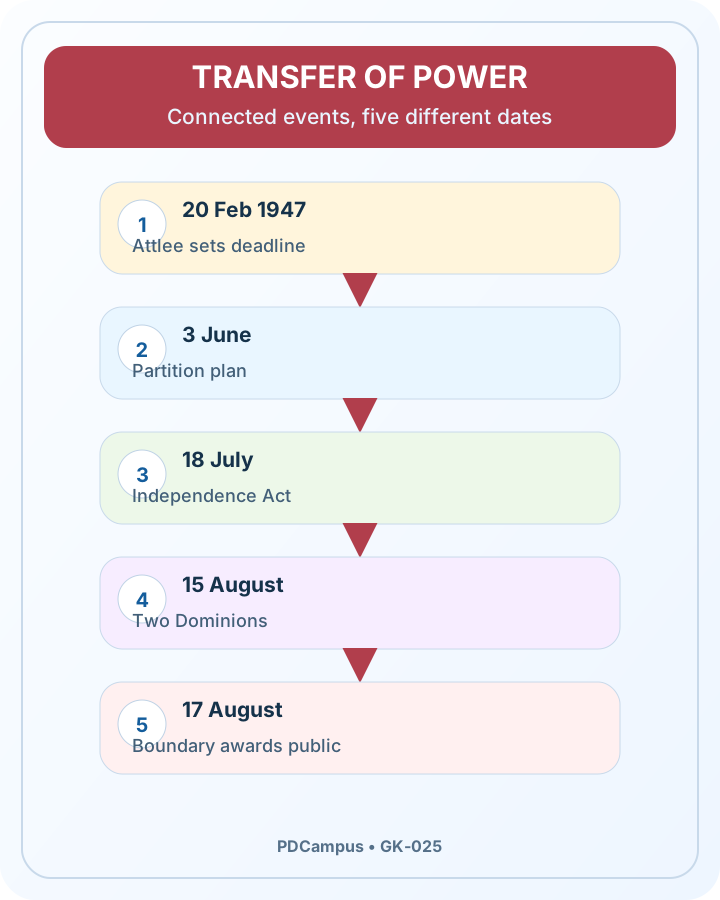
Five-step transfer-of-power sequence in 19471947 में सत्ता हस्तांतरण का पाँच-चरण क्रम
| Dateतिथि | What happenedक्या हुआ |
|---|---|
| 1945–19461945–1946 | Elections strengthened Congress in general constituencies and the League in Muslim constituencies. These were elections under a limited franchise.चुनावों ने सामान्य निर्वाचन क्षेत्रों में कांग्रेस को और मुस्लिम निर्वाचन क्षेत्रों में लीग को मजबूत किया। ये सीमित मताधिकार के तहत हुए चुनाव थे। |
| 16 August 194616 अगस्त 1946 | Direct Action Day was followed by extensive violence in Calcutta. Further communal violence spread in the months before Partition.'डायरेक्ट एक्शन डे' (प्रत्यक्ष कार्रवाई दिवस) के बाद कलकत्ता में व्यापक हिंसा हुई। विभाजन से पहले के महीनों में सांप्रदायिक हिंसा और फैल गई। |
| 2 September 19462 सितंबर 1946 | The interim government took office. Nehru was vice-president of the Viceroy's Executive Council; League members joined in October.अंतरिम सरकार ने कार्यभार संभाला। नेहरू वायसराय की कार्यकारी परिषद के उपाध्यक्ष थे; लीग के सदस्य अक्टूबर में शामिल हुए। |
| 9 December 19469 दिसंबर 1946 | The Constituent Assembly first met. The League initially boycotted it. Rajendra Prasad became its permanent president.संविधान सभा की पहली बैठक हुई। शुरुआत में लीग ने इसका बहिष्कार किया। राजेंद्र प्रसाद इसके स्थायी अध्यक्ष बने। |
| 20 February 194720 फरवरी 1947 | Attlee announced that power would be transferred no later than June 1948.एटली ने घोषणा की कि जून 1948 तक सत्ता का हस्तांतरण कर दिया जाएगा। |
| 3 June 19473 जून 1947 | The Partition and transfer plan was announced.विभाजन और हस्तांतरण की योजना की घोषणा की गई। |
| 18 July 194718 जुलाई 1947 | The Indian Independence Act received Royal Assent.भारतीय स्वतंत्रता अधिनियम को शाही स्वीकृति (Royal Assent) मिली। |
| 15 August 194715 अगस्त 1947 | India became independent. The Act's appointed day created the two Dominions and ended British paramountcy.भारत स्वतंत्र हुआ। अधिनियम के नियत दिन ने दो डोमिनियन बनाए और ब्रिटिश सर्वोपरि सत्ता को समाप्त कर दिया। |
| 17 August 194717 अगस्त 1947 | The Radcliffe boundary awards were made public.रैडक्लिफ सीमा पंचाट (boundary awards) को सार्वजनिक किया गया। |
Partition divided Punjab and Bengal and uprooted millions. Refugees faced lost homes, separation, abduction and mass violence. Experiences differed by region and community, and estimates of displacement and deaths vary. Exact totals need a named source, definition and period.विभाजन ने पंजाब और बंगाल को बाँट दिया और लाखों लोगों को बेघर कर दिया। शरणार्थियों ने घर छिनने, अलगाव, अपहरण और सामूहिक हिंसा का सामना किया। क्षेत्र और समुदाय के अनुसार अनुभव अलग-अलग थे, और विस्थापन तथा मौतों के अनुमान भिन्न हैं। सटीक आँकड़ों के लिए एक नामित स्रोत, परिभाषा और अवधि की आवश्यकता होती है।
The constitutional conflict developed through colonial representation, provincial politics, competing demands, wartime change and failed negotiations. The violence and speed of withdrawal also shaped the outcome. Independence, Partition and the drawing of boundaries were connected processes with different dates and consequences.औपनिवेशिक प्रतिनिधित्व, प्रांतीय राजनीति, प्रतिस्पर्धी मांगों, युद्धकालीन परिवर्तन और विफल वार्ताओं के माध्यम से संवैधानिक संघर्ष विकसित हुआ। हिंसा और ब्रिटिश वापसी की जल्दबाज़ी ने भी परिणाम को प्रभावित किया। स्वतंत्रता, विभाजन और सीमाओं का निर्धारण अलग-अलग तिथियों और परिणामों वाली जुड़ी हुई प्रक्रियाएँ थीं।
Integration: three different casesएकीकरण: तीन अलग-अलग मामले
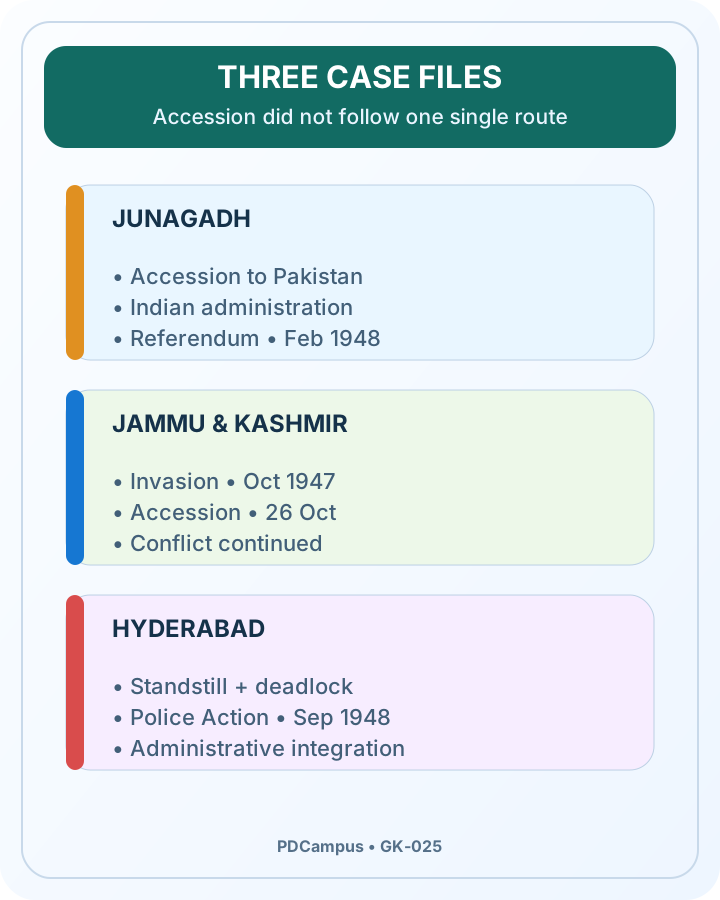
Comparison of Junagadh, Jammu and Kashmir, and Hyderabadजूनागढ़, जम्मू-कश्मीर और हैदराबाद की तुलना
British paramountcy lapsed; it did not automatically pass to either Dominion. Accession usually covered defence, external affairs and communications, with related provisions. Administrative merger and the creation of larger state unions were further steps.ब्रिटिश सर्वोपरि सत्ता समाप्त हो गई; यह स्वतः ही किसी भी डोमिनियन को नहीं मिली। अधिमिलन में आमतौर पर रक्षा, विदेश मामले और संचार के साथ-साथ संबंधित प्रावधान शामिल थे। प्रशासनिक विलय और बड़े राज्य संघों का निर्माण इसके अगले कदम थे।
Patel and V.P. Menon were central to the States Department's work. Rulers, other Union leaders, Mountbatten and popular movements also influenced outcomes. Negotiations operated alongside pressure, conflict and, in some places, military action.रियासती विभाग के काम में पटेल और वी.पी. मेनन की भूमिका केंद्रीय थी। शासकों, संघ के अन्य नेताओं, माउंटबेटन और जनांदोलनों ने भी परिणामों को प्रभावित किया। बातचीत के साथ-साथ दबाव, संघर्ष और कुछ स्थानों पर सैन्य कार्रवाई भी हुई।
| Caseमामला | Sequenceघटनाक्रम | What to rememberक्या याद रखें |
|---|---|---|
| Junagadhजूनागढ़ | Its ruler acceded to Pakistan. India assumed administration on 9 November 1947. A referendum in February 1948 strongly favoured India. Administration passed to Saurashtra in January 1949.इसके शासक ने पाकिस्तान में अधिमिलन किया। भारत ने 9 नवंबर 1947 को प्रशासन अपने हाथ में ले लिया। फरवरी 1948 में हुए एक जनमत संग्रह ने मजबूती से भारत का पक्ष लिया। जनवरी 1949 में प्रशासन सौराष्ट्र को सौंप दिया गया। | Keep the ruler's decision, Indian administration, referendum and later integration separate.शासक का निर्णय, भारतीय प्रशासन, जनमत संग्रह और बाद के एकीकरण को अलग रखें। |
| Jammu and Kashmirजम्मू और कश्मीर | Following a tribal invasion, Hari Singh signed an Instrument of Accession dated 26 October 1947. Mountbatten accepted it on 27 October. Indian troops were deployed and war continued.एक कबायली आक्रमण के बाद, हरि सिंह ने 26 अक्टूबर 1947 के एक अधिमिलन पत्र (Instrument of Accession) पर हस्ताक्षर किए। माउंटबेटन ने इसे 27 अक्टूबर को स्वीकार कर लिया। भारतीय सैनिकों को तैनात किया गया और युद्ध जारी रहा। | Signing and acceptance were on different dates. Accession did not settle the wider conflict.हस्ताक्षर और स्वीकृति की तिथियाँ अलग थीं। अधिमिलन से व्यापक संघर्ष का समाधान नहीं हुआ। |
| Hyderabadहैदराबाद | The Nizam sought independence. A standstill agreement in November 1947 was followed by continued conflict, including Razakar violence and the Telangana peasant struggle. Operation Polo ran from 13 to 17 September 1948; the Nizam's forces surrendered.निजाम ने स्वतंत्रता चाही। नवंबर 1947 में एक यथास्थिति समझौते (standstill agreement) के बाद रजाकार हिंसा और तेलंगाना किसान संघर्ष सहित निरंतर संघर्ष जारी रहा। 13 से 17 सितंबर 1948 तक ऑपरेशन पोलो चला; निजाम की सेना ने आत्मसमर्पण कर दिया। | Military action and conflict were part of the process. Describing it as a bloodless merger is inaccurate.सैन्य कार्रवाई और संघर्ष इस प्रक्रिया का हिस्सा थे। इसे रक्तहीन विलय के रूप में वर्णित करना गलत है। |
Merger and union examples: Saurashtra; Matsya and the stages of Rajasthan's formation; Madhya Bharat; Vindhya Pradesh; PEPSU; and Travancore–Cochin. Manipur and Tripura also entered merger arrangements. The histories and terms differed; Manipur's merger was contested locally.विलय और संघ के उदाहरण: सौराष्ट्र; मत्स्य और राजस्थान के गठन के चरण; मध्य भारत; विंध्य प्रदेश; पेप्सू (PEPSU); और त्रावणकोर-कोचीन। मणिपुर और त्रिपुरा भी विलय की व्यवस्था में शामिल हुए। इनके इतिहास और शर्तें अलग-अलग थीं; मणिपुर के विलय का स्थानीय स्तर पर विरोध हुआ था।
Use more than 560 princely states for an overview. Historical totals depend on which states and estates are counted. Do not combine figures from different classifications into a single arithmetic total.सामान्य परिचय में 560 से अधिक रियासतों कहना पर्याप्त है। ऐतिहासिक कुल संख्या इस बात पर निर्भर करती है कि किन राज्यों और जागीरों को गिना जाता है। विभिन्न वर्गीकरणों के आंकड़ों को एक ही कुल संख्या में न जोड़ें।
The Constitution was adopted on 26 November 1949 and signed on 24 January 1950. Most provisions commenced on 26 January 1950, creating the Republic; some had commenced earlier. Integration and territorial reorganisation continued beyond this chapter's 1950 endpoint.संविधान को 26 नवंबर 1949 को अपनाया गया था और 24 जनवरी 1950 को इस पर हस्ताक्षर किए गए थे। अधिकांश प्रावधान 26 जनवरी 1950 को लागू हुए, जिससे गणराज्य का निर्माण हुआ; कुछ पहले ही लागू हो चुके थे। एकीकरण और क्षेत्रीय पुनर्गठन इस अध्याय के 1950 के अंतिम बिंदु के बाद भी जारी रहा।
One-minute recall and exam trapsएक मिनट में दोहराएँ और परीक्षा-जाल पहचानें
Five relationship anchors for one-minute revisionएक मिनट की पुनरावृत्ति के लिए पाँच संबंध-आधार
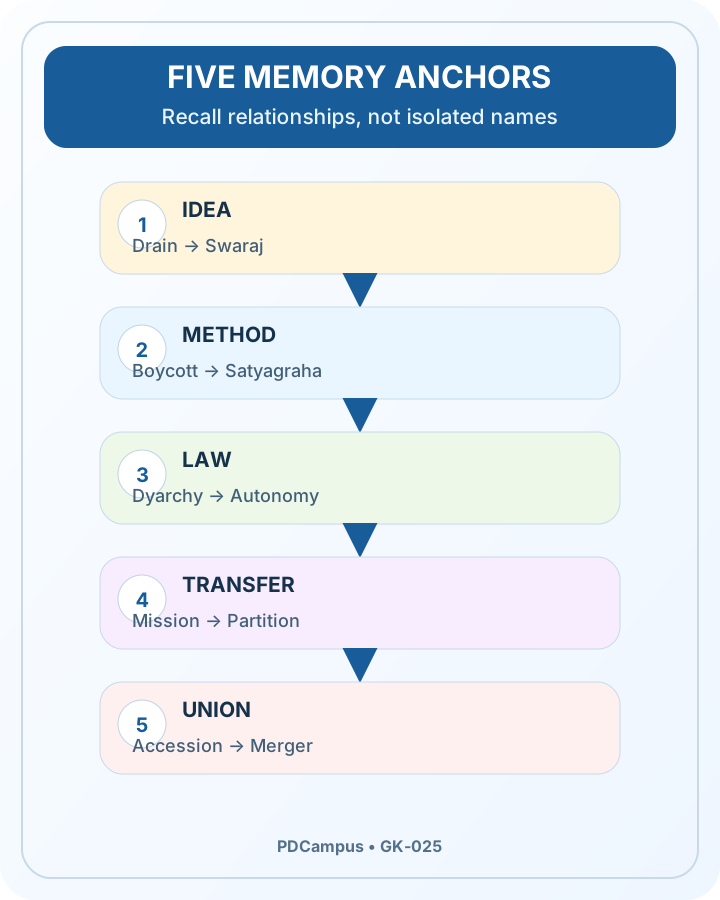
Congress began in 1885. Swadeshi linked boycott with Indian production and education. Gandhi's local campaigns preceded Non-Cooperation, Civil Disobedience and Quit India. Revolutionary networks, social movements, council work and wartime pressures followed their own paths. The 1919 reforms introduced provincial dyarchy; the 1935 Act provided provincial autonomy. Cabinet Mission attempted a Union settlement in 1946. The 3 June Plan led towards Partition; the Independence Act received assent on 18 July; India became independent on 15 August 1947. Princely states acceded, merged or joined unions through different arrangements. The Constitution was adopted on 26 November 1949, signed on 24 January 1950 and largely commenced on 26 January, when India became a republic.कांग्रेस की शुरुआत 1885 में हुई। स्वदेशी ने बहिष्कार को भारतीय उत्पादन और शिक्षा से जोड़ा। गांधी के स्थानीय अभियान असहयोग, सविनय अवज्ञा और भारत छोड़ो से पहले हुए थे। क्रांतिकारी नेटवर्क, सामाजिक आंदोलन, परिषद के कार्य और युद्धकालीन दबावों ने अपना अलग रास्ता अपनाया। 1919 के सुधारों ने प्रांतीय द्वैध शासन की शुरुआत की; 1935 के अधिनियम ने प्रांतीय स्वायत्तता प्रदान की। कैबिनेट मिशन ने 1946 में एक संघ समझौते का प्रयास किया। 3 जून की योजना विभाजन की ओर ले गई; स्वतंत्रता अधिनियम को 18 जुलाई को स्वीकृति मिली; भारत 15 अगस्त 1947 को स्वतंत्र हुआ। रियासतों का अधिमिलन, विलय या संघों में शामिल होना विभिन्न व्यवस्थाओं के माध्यम से हुआ। संविधान को 26 नवंबर 1949 को अपनाया गया, 24 जनवरी 1950 को हस्ताक्षर किए गए और इसके अधिकांश प्रावधान 26 जनवरी को लागू हुए, जब भारत एक गणराज्य बना।
Exam traps:परीक्षा में इन अंतरों का ध्यान रखें:
- Congress had Indian organisational roots; Hume was an important organiser, not its sole creator.कांग्रेस की संगठनात्मक जड़ें भारतीय थीं; ह्यूम एक महत्वपूर्ण आयोजक थे, इसके एकमात्र निर्माता नहीं।
- Bengal's partition took effect on 16 October 1905; the boycott resolution was earlier, on 7 August.बंगाल का विभाजन 16 अक्टूबर 1905 को प्रभावी हुआ; बहिष्कार का प्रस्ताव इससे पहले, 7 अगस्त को हुआ था।
- Lucknow in 1916 involved both a Congress reunion and a Congress–League Pact.1916 के लखनऊ अधिवेशन में कांग्रेस का पुनर्मिलन और कांग्रेस-लीग समझौता दोनों शामिल थे।
- Chauri Chaura was on 4 February 1922; suspension of Non-Cooperation followed.चौरी चौरा की घटना 4 फरवरी 1922 को हुई थी; इसके बाद असहयोग आंदोलन को निलंबित कर दिया गया।
- Simon: appointed in 1927, arrived in 1928.साइमन: 1927 में नियुक्त, 1928 में आया।
- Lahore's Purna Swaraj decision was in 1929; the pledge day was 26 January 1930.लाहौर का पूर्ण स्वराज निर्णय 1929 में हुआ था; प्रतिज्ञा का दिन 26 जनवरी 1930 था।
- Gandhi left Sabarmati on 12 March 1930 and broke the salt law at Dandi on 6 April.गांधी ने 12 मार्च 1930 को साबरमती छोड़ा और 6 अप्रैल को दांडी में नमक कानून तोड़ा।
- The Poona Pact provided reserved seats in joint electorates, not separate electorates for the Depressed Classes.पूना समझौते ने दलित वर्गों के लिए संयुक्त निर्वाचन मंडल में आरक्षित सीटें प्रदान कीं, न कि पृथक निर्वाचन मंडल।
- Provincial autonomy operated under the 1935 Act; the proposed all-India federation did not.प्रांतीय स्वायत्तता 1935 के अधिनियम के तहत संचालित हुई; प्रस्तावित अखिल भारतीय संघ लागू नहीं हुआ।
- Quit India: resolution on 8 August 1942; arrests from 9 August.भारत छोड़ो: 8 अगस्त 1942 को प्रस्ताव; 9 अगस्त से गिरफ्तारियां।
- The first INA was led by Mohan Singh; Bose reorganised it in 1943.पहली INA का नेतृत्व मोहन सिंह ने किया था; बोस ने 1943 में इसका पुनर्गठन किया।
- Cabinet Mission, Mountbatten Plan and Independence Act were different instruments.कैबिनेट मिशन, माउंटबेटन योजना और स्वतंत्रता अधिनियम अलग-अलग प्रकार के प्रस्ताव और कानून थे।
- Paramountcy lapsed; accession and administrative merger were separate steps.ब्रिटिश सर्वोपरि सत्ता समाप्त हो गई; अधिमिलन और प्रशासनिक विलय अलग-अलग कदम थे।
- Adoption, signing and commencement of the Constitution have different dates.संविधान को अपनाने, हस्ताक्षर करने और लागू होने की तिथियां अलग-अलग हैं।